

Why We Build Custom: The Security Risks of WordPress Plugins
In the digital agency world, "WordPress" is often treated as a synonym for "Web Design." It is the default choice for millions of sites because it is easy, cheap, and modular. You want a contact form? Install a plugin. You want an image slider? Install a plugin.
But at EmixWeb, we often take a harder road: Custom Development.
Why do we write our own code when we could just click "Install"? The answer lies in security, performance, and the hidden risks of the plugin ecosystem that most business owners never see until it is too late.
The "Plugin Paradox": Convenience vs. Control
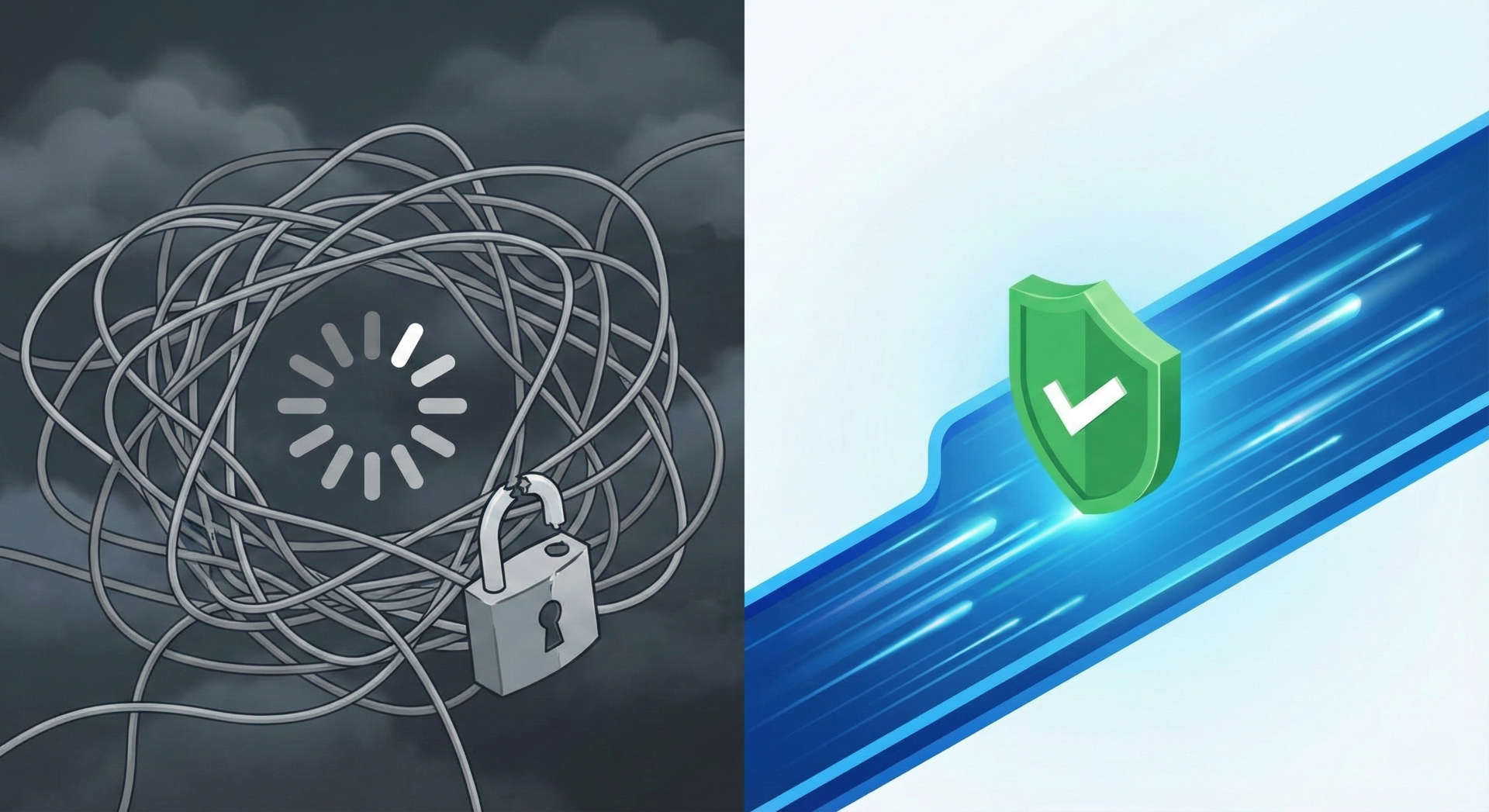
The greatest strength of a CMS like WordPress—its massive library of third-party plugins—is also its greatest security weakness.
When you install a plugin to handle a simple task, like a newsletter signup, you aren't just adding that one feature. You are often adding thousands of lines of code written by a developer you don't know, with security standards you can't verify.
Research into web hosting vulnerabilities highlights a critical concept known as the "noisy neighbor" effect. In a shared hosting environment, or within a plugin-heavy architecture, your security is only as strong as the weakest link. If you have 20 plugins installed, you have 20 potential backdoors into your customer database. To protect your website from this, good management from experts on the field is a must.
The "Abandonware" Risk
Unlike the custom architecture we build for high-volume clients, plugins are often hobby projects for their developers.
What happens when that developer gets bored? They stop releasing security updates. Your site continues to function normally, but that "abandoned" plugin effectively becomes a welcome mat for hackers. Automated bots scour the web looking for sites running outdated versions of popular plugins, executing scripts to inject malware or steal bandwidth.
By building custom PHP architectures, EmixWeb eliminates this dependency. We don't rely on a stranger in a garage to patch your firewall; we build the firewall ourselves.
Performance is Security
Security isn't just about hackers; it's about reliability. A site bloated with unnecessary plugin code loads slower. In the world of "Web Media Services," where latency is the enemy, every millisecond counts.
Custom code allows us to practice the principle of "Least Privilege." We write code that does exactly what it needs to do—and nothing more.
Your business is unique. Your code should be too.